By Anthony:
Soon after we moved back to Uganda, we went around with Edward, our colleague from World Renew, to my three Timothy Leadership Training groups in Amuria, Katakwi, and Kaberamaido, in order to collect testimonies about how Timothy Leadership Training has continued to impact them and their churches since the graduation back in January 2016. I am humbled and amazed at what God has done through these leaders and the changes he has brought in their lives. Please continue to pray for them, especially as they start up new TLT groups in the near future. This post includes testimonies from the Kaberamaido group.
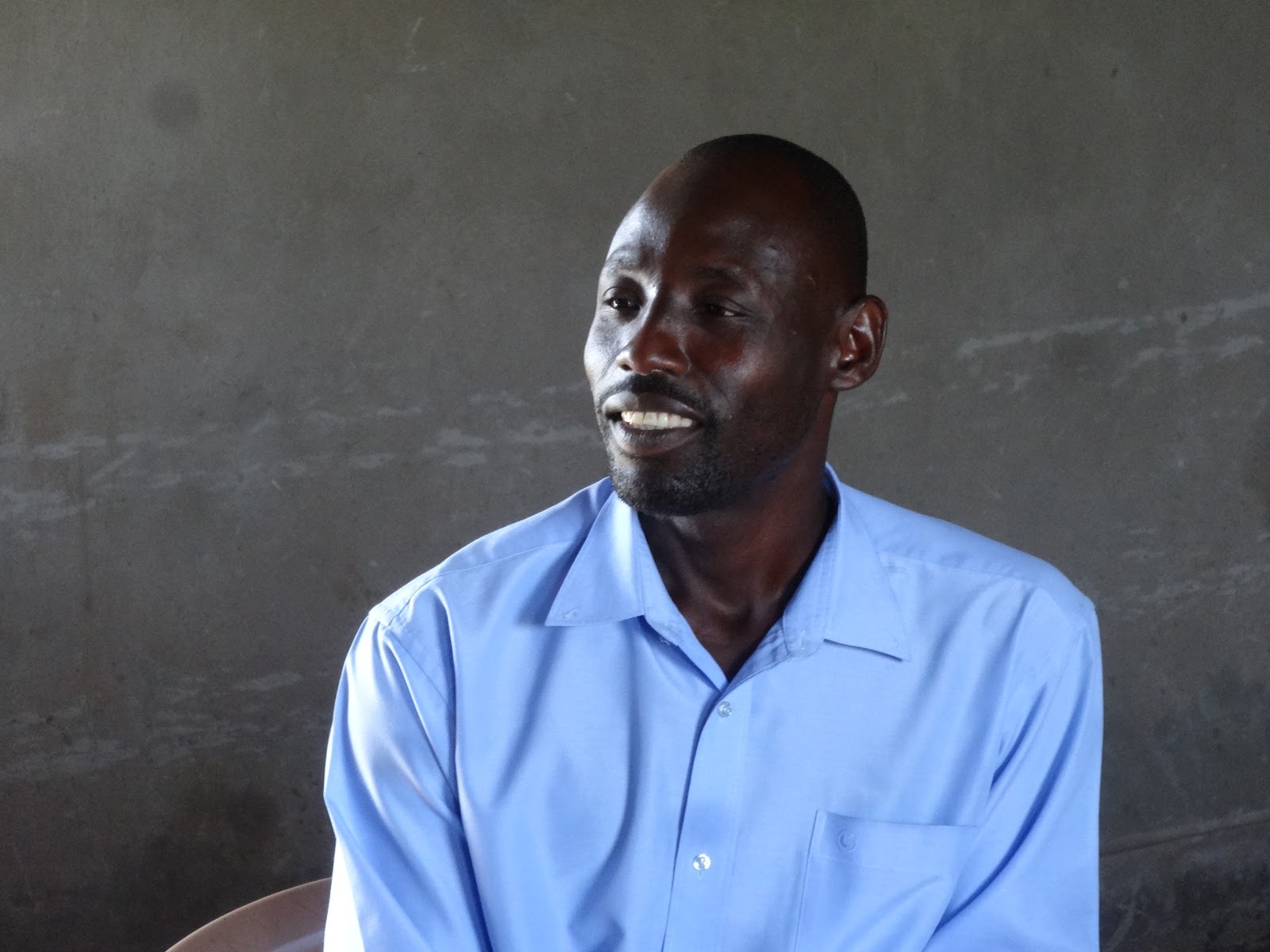
Amanu Simon is a pastor (picture below). People used to know him as a harsh man, but people say he has changed after TLT. He is now humble. He has learned how to listen carefully and be slow to react. Now his family has changed also. They sit together and do things together. In his home, they have learned to treat each other equally. There is no more segregation between men's and women's duties. All the children fetch firewood and water, not only the girls. Simon also will fetch firewood or cook. Most of the neighbors really respect him for this and go to him for his ideas and advice. The neighbors who criticize him and say, “
you have given your wife too much freedom” but he responds with, “
she is part of me.” He has also mobilized the Christians of his church to “
use the strength we have” and “
use the resources we have” and so they have plastered the church walls and also dug toilets for the church.

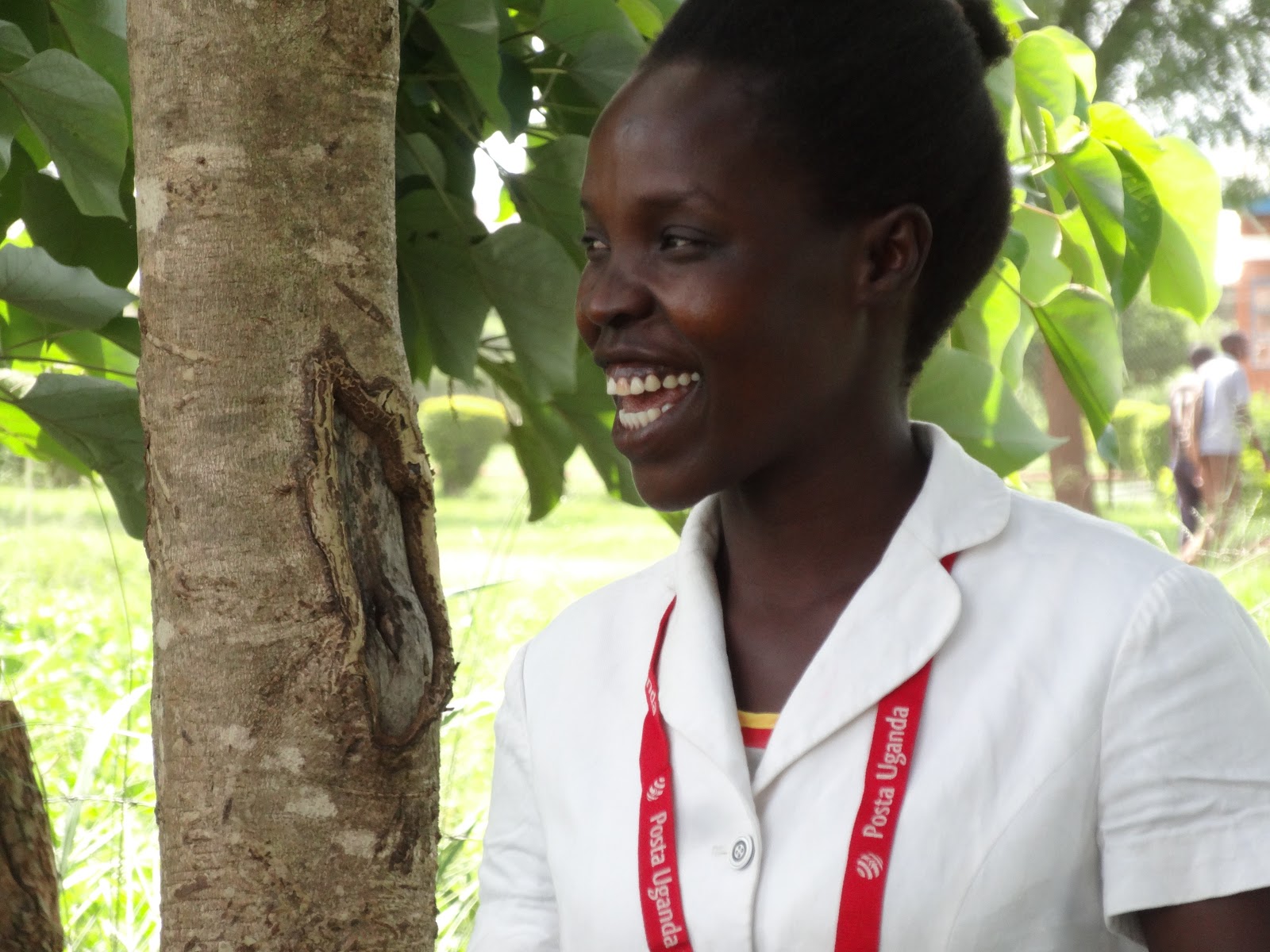
Alayo Angella is a worship leader (picture below). She learned from TLT to clean the environment and care for it. She learned that there is value in the beauty of God's creation, so now she plants flowers, and she has planted orange trees and neem trees. She leads the praise and worship team at church. She used to just tell people what to do and didn’t mentor others to lead, so whenever she was not there, nothing would happen. Now she teaches and mentors the other team members and has learned to delegate responsibilities.

Engoru Moses is a pastor (picture below). Before TLT, he just did things without telling his wife. He would leave home and travel without telling her where he was going. But now he shares all his plans with his wife and they discuss together. His neighbors have seen the change in his marriage and they now invite him and his wife to their homes to talk to them and advise them with the word of God. Three people have trusted in Christ as their savior through these home visits. Moses has also learned to take care of his animals very well instead of beating them. He used to not manage time at the church, but now they manage time well as a church, and non-believers have been coming to church because of that change.

Eyeru Francis takes part in many church ministries (picture below). Francis says he used to despise the work of cleaning and
mopping. But after TLT, now he does such work voluntarily. He doesn’t complain about it. (In fact, when we drove up to the church for this meeting to get testimonies, Francis was busy cleaning the church yard of rubbish). He also used to torture lizards and kill other small animals for no reason, but he learned to respect God’s creatures
and doesn’t do so anymore.
Elamu Innocent, a young church leader, had challenges with his wife when he began TLT. In fact, they had separated from each other. But when he started TLT and went through the manual about family conflict, he made new efforts to reunite with his wife. They were able to reconcile and live together again. He spoke to me with great joy about how happy they are together and how their love has been renewed and he attributes much of that healing to what he learned in TLT about marriage and reconciliation.
Alingu Daniel is a church leader (picture below). TLT gave him a concern for those who had left the church or started to live in sin. He especially had a concern for those who left the church because of conflicts with the pastors. Through home visits, he helped many to come back to church, and to reconcile with the pastors.
Omal Martin is an assembly pastor (picture below). Martin didn’t have oxen to plow his garden with. But
TLT helped him to build relationships with his neighbors by visiting them. Now
they let him borrow their oxen to plow his garden. Also, as an assembly pastor, he used to just order his branch pastors what to do. But through TLT he has learned to work together with them as a team, and they make decisions together through discussion.
Abwangu Charles is a pastor (picture below). TLT was the very first training of any kind that he had for his work as a pastor. His church saw the change immediately in him and saw his new knowledge and really appreciated him and TLT. There was also a change in his marriage because of TLT. He now shares issues with his wife, and they make more decisions together. His wife testified that he is a changed man! After learning how to make action plans in TLT, he now uses action plans in all of his work, including using action planning for his pig project.

Orute Moses leads education of pastors for the pastorate (picture below). He says he used to mistreat animals while plowing. In the
past he even beat a cow so badly that the tail came off completely. He developed a bad reputation in the community and people would not let him watch their animals. But now he has
learned to not beat animals and to take care of them because they are God’s
creatures who give him glory. Now neighbors are willing to ask Moses to take care
of their animals because they can see the change that has taken place in him.

Eyadu Yuven Corn is a pastor (picture below). He was recently transferred to a different church. TLT helped him set the old church up with really good plans so they would have a good transition and could take care of the new pastor well. TLT helped him also to become very good at visiting Christians regularly. He has days set aside every week to visit Christians from his church. They have shared testimonies about how helpful his visits are and they even give him gifts in appreciation.
Oyini David is a pastor (picture below). TLT gave David more confidence to speak in
front of people. He also learned how to structure a good sermon. He learned how
to teach lessons connecting to people’s head, heart, and hands. From the family
violence manual, he learned how to counsel families in conflict, and now is
counseling broken families regularly. He also takes good care of his animals now
and encourages his neighbors to do the same.

Eibu Simon is a treasurer in his assembly (picture below). After TLT he trained the branch church pastors and treasurers in his assembly in two TLT manuals: Caring for God’s People and Christian Stewardship. Now the churches in the assembly report about offerings to the congregations and share information about how the money is used. People have seen Simon's increase in knowledge, and they really respect him now, and always ask him for his comments and advice. His marriage has improved; he has learned he needs to talk things through with his wife when they have conflicts, instead of just ignoring the problems. He also shares his knowledge he received from TLT with his wife and she is able to teach women in their church really well now. He has become the chairperson of the men’s ministry and teaches them well.

Otim Julius is a pastor (picture below). Julius learned from TLT to be exemplary right from home. He
now knows that when doing ministry, he first needs to put things right
with his wife, instead of doing ministry and ignoring the problems at home.
Also, he used to be a poor time manager, but after TLT he has learned to manage
time well.

Atangi John is a pastor (picture below). Through TLT, John learned how to manage time, so now in his preaching, he doesn’t go over 30 minutes. He learned how to plan ahead and develop the church using action planning, and so they have been able to get a new pulpit, sound equipment, children’s church chairs, chairs for the church members, and they wrote a vision and mission statement for the church. Formerly, when John had problems with his wife he would not talk about them or bring them up. Now he calmly handles issues with his wife. His neighbors invited him over to teach their family how to live. Other churches in the community have seen how John's church now manages time in an organized way and now the other churches are also changing, and learning to manage time. The church starts when they say they're going to start so people are starting church earlier than they used to, but also are finished earlier (on time) and this good stewardship of time attracts non-believers to church.

Egudu Francis is a development worker (picture below). Through TLT his leadership style changed. He
used to be impatient, but now he patiently analyzes issues. Although he is a development
worker, TLT helped him to learn to care for people and advise people, so
now everywhere he goes people call him “pastor.” He has learned to behave well
as a leader. He used to crush ants and other animals for no reason, but after
TLT he doesn’t anymore. He takes care of God’s creation, and has been a
champion for planting trees. He planted 70 trees the other year, but only 15 survived.
This year he planted 65. Francis encourages his neighbors and family to plant trees also.
Enangu Geofrey is a pastor (picture below). Geofrey planted 100 orange trees since TLT. 30 died, but he replanted more to replace those. Then he planted another 100 trees after
that. Because he cares for God's creation, he doesn’t let his children kill
insects for fun anymore
Wandira William is the secretary for the pastorate (picture below). William says that TLT helped him to raise his children in a godly manner. Before, some of his children were drifting from the Christian faith, but now they are all committed Christians. They are all respectful of their parents. TLT helped him to know how to counsel others, especially in counseling broken marriages, and reconciling couples.
Amuge Joan volunteers to serve in various church ministries (picture below). Through TLT, she learned to be a careful good listener. She is now patient when she hears something, and takes her time to listen well before reacting. She also learned to take time to be with her family.

Aside from these individual testimonies, I received some testimonies about Kaberamaido PAG pastorate as a whole and the impact of TLT. Since the graduation, the pastorate leaders have been using TLT lessons as they teach people of all age groups. The pastorate leaders are very happy with the growth and maturity of the leaders who went through TLT. One young man, Emalu Joseph, was given a church to pastor after going through TLT (remember that many pastors in Uganda have no training at all, so after receiving TLT training, he had more training than many existing pastors). The pastorate leaders also report that almost all the churches in the pastorate are doing better at managing time. They also report that more members in most of the churches are willing to take part in church ministries compared to before. Additionally, many church leaders also learned how to manage conflict well through TLT, and it assisted them in dealing with some conflicts in neighboring regions when they were called to help.