By Anthony:
Most of my ministry work now consists of leading Helping Without Hurting in Africa trainings in Uganda and other countries, and doing the administrative work to plan and prepare for those trainings. That means I get to teach pastors and development workers (which I love), that I have to travel a lot (which I don't enjoy), and when at home I have a lot of zoom meetings (which I don't mind, because I like being home!). I loved a recent training at Kampala Evangelical School of Theology, in Kampala, Uganda. KEST is a Resonate partner, and Sara and I go way back with the principal Philip Wandawa. He did his PHD at Calvin Seminary. Here is Philip on the right with Titus one of our co-facilitators on the left:

The training took place at the school with around 85 total participants. KEST invited alumni and partners of the school. Most of the participants were development workers from different organizations, or pastors. Some KEST staff and students also attended. It was a diverse training with people originally from Uganda, USA, New Zealand, Germany, South Sudan, and we even had two people fly to attend the training from Liberia. The two from Liberia then went back and led the training themselves for their staff and partners in Liberia. I'll also mention that we had staff from Watoto Child Care ministries attend. I know many of our supporters have enjoyed having the Watoto children's choirs visit their churches in the USA.

Jonny and I have been working hard on coaching other facilitators so that we have people to recommend to other churches and organizations who request the training. We don't want organizations to be reliant on us as the authors to lead every training. At the KEST training, we had three other people join us as co-facilitators. Moses and Titus work for Pentecostal Assemblies of God (PAG) in the development work of the denomination. I've been working with Moses since 2014 when he and all the development staff he was managing took part in Timothy Leadership Training with me. Sam teaches at Africa Renewal University. I've known Sam since 2009 when we taught with him at Pentecostal Theological College. (In the photo: Moses, Sam, Jonny, Myself, Titus).

With a training like this, it's impossible to relay to you all of the great discussions we had. I will just share a few of the things I found interesting myself:
Two different participants challenged the culture around burials in Uganda when we talked about the importance of daily work. One of the beautiful things about Ugandan cultures and African cultures in general is the sense of communal hospitality, celebrating in community, and mourning together in community. But as the participants mentioned, many people are attending a burial every week, and each burial has 2000 or 3000 people attending. You attend even if you don't know the person who died, but you have a friend who somehow was an acquaintance with the person who died. Burials therefore take away a huge chunk of the working hours in the whole nation every week. And burials last the entire day.
On top of that, feeding 2000 people takes a lot of money. While the idea of mourning together is good and biblical, in Ugandan burials what ends up happening is that the family trying to grieve is completely stressed out by trying to figure out how to feed all the people coming. The way people show love and support to the stressed family is by coming personally but also giving financial support which goes to pay for all the people coming who need to eat. If all the people didn't come to the burial, the money wouldn't be needed. So you see why the situation is complicated. This is a very controversial subject. We have a friend who decided to stop going to burials because he views it as bad stewardship and a waste of time (except for burials of his family or people he knows well), and other friends looked very negatively on him for making this decision. As foreigners we are given more flexibility because people know we are of a different culture and they know that sometimes our work prevents us from attending. But we still end up going to quite a few burials (and weddings).
We talked about tribalism and painful stories were shared about discrimination in public offices. A participant from South Sudan said that each type of government office is controlled by a certain tribe. So different tribes control different government sectors and different NGOs. This results in a system that hardly functions because favors are done for people of your own tribe and others are forced to pay bribes or not given the services they require. And NGOs generally focus on giving charity to communities of their own tribe.


We talked about caring for the environment and people lamented about all the city laws being broken through people constructing buildings in swamps and wetlands through bribes and other shady practices. They said even churches are doing this. They also talked about rich people throwing their trash out of their posh cars while driving through Kampala.
On the other hand one participant shared a story I really loved. He said his children love watching animals with him, especially birds. But he lamented that with all the trees in their community chopped down, the birds had disappeared. But he planted many trees at his home and now the birds have come back and his children are delighted. What a great father.
In Uganda, hotels usually have contracts with drivers or driver companies. I learned that it is extremely common for hotel managers to ask for a kickback. Since the manager gets to choose the company, he will say he will give a certain driver the contract, if the driver gives him personally 10% of the profits. It's just mind boggling all the ways to engage in corruption.

Here is a photo of Jilanne German who is a partner missionary with Resonate teaching at KEST. She was very helpful in registering all the participants for the training. She worked hard and we are grateful!

Several owners of businesses, who are born again, gave some very interesting reflections that I found helpful, especially for this context. They said they tend to want to hire non-believers more than Christians because the Christians don't have a good work ethic. They arrive late, or close the shop early. They are not committed. The excuse that the Christians give is that they are supposed to be in church for programs or choir practice. So they end up missing a lot of work and causing problems at the business. When the bosses, who are born again Christians, complain to such a person's pastor about the person missing work due to pressure from church leaders to be in church throughout the week, the pastors scold the business people for being worldly. Unfortunately, these business owners have had to terminate the employment of some of these Christians who couldn't manage to have good work ethic.
I know from experience that Christians are pressured by pastors to attend mid-week programs in church. They are told they will be blessed if they do, and it's implied they won't be blessed if they don't. People are made to feel guilty. Some people figure out ways to be at church five days a week. But then they are constantly missing work. Sometimes poverty is caused by injustice or natural disasters. Other times it is from people not working six days a week as God commanded.


When we examined the Parable of the Talents while looking at Asset Based Community Development, we discussed together how organizations should be helping people nurture and use their talents and assets for their own development. But one participant made a strong and profound statement. I will paraphrase what I remember hearing: "in the parable, God punishes the one who buries his talent, and yet as our organizations try to help the materially poor, sometimes we actively try to help people bury their talents and instead create dependency through constant handouts. We need to repent."

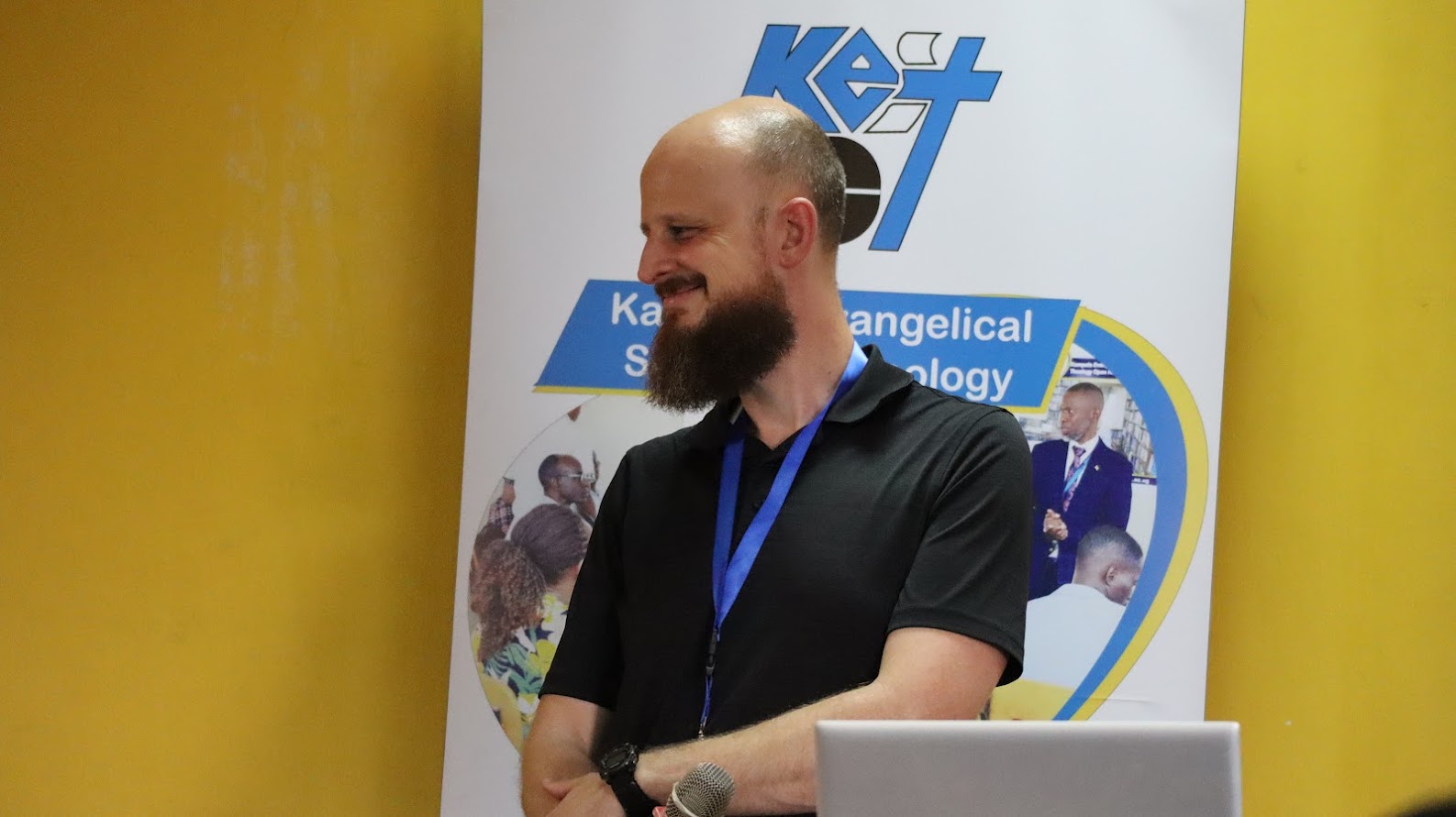
In the end participants shared testimonies that they had gone through great mind-set change about community development. Organizations pledged to change their practices to stop creating dependency among individuals and communities. Leaders said they were going to stop dictating to the materially poor what they have to do, but to learn how to listen to them and work with them to see change. Some people said they intended to train others in this material in the future. I loved hearing that some churches are going to begin to set aside a portion of their money collected from offerings to reserve for caring for the poor in their church and community. Another pastor said he will preach through all the Scripture passages taught about in our manual over the next year.


